Scopes
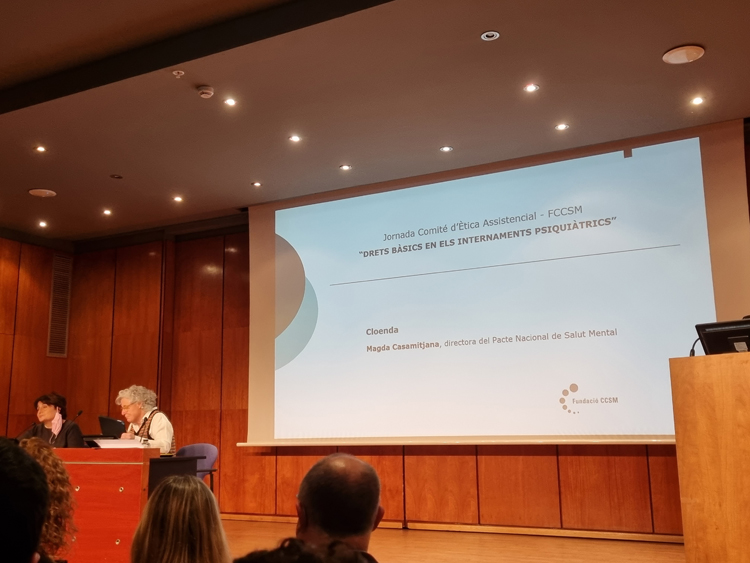
PRESS RELEASE Conference «Basic Rights in Psychiatric Admissions»
Day organized by Ethics Committee
from the Catalan Congress Foundation for Mental Health
Starting point for a change of model Mental health care with guaranteed rights
- The conference «Basic Rights in Psychiatric Admissions» denounces certain practices carried out in involuntary psychiatric admissions and the precariousness of resources.
- The day has achieved the administration's commitment to grounding mental health care in patient empowerment, their rights, and good professional practices.
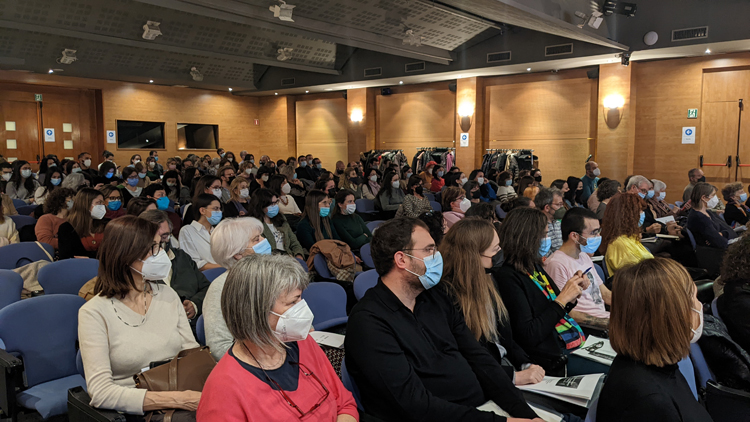
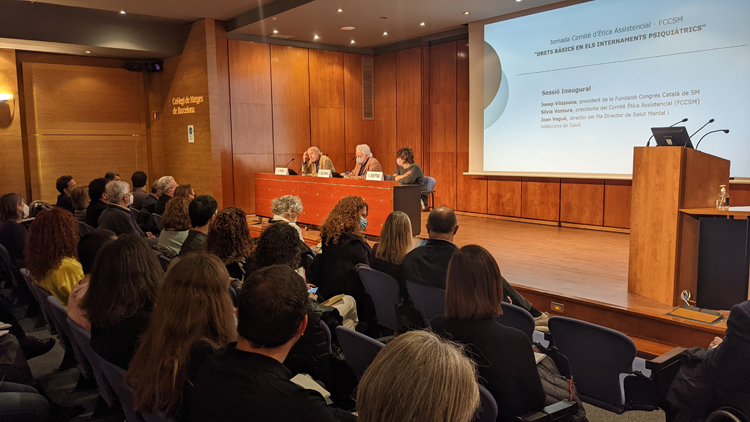
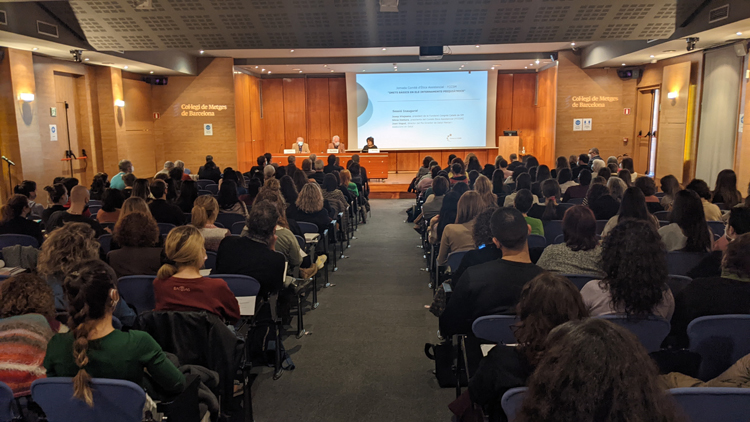
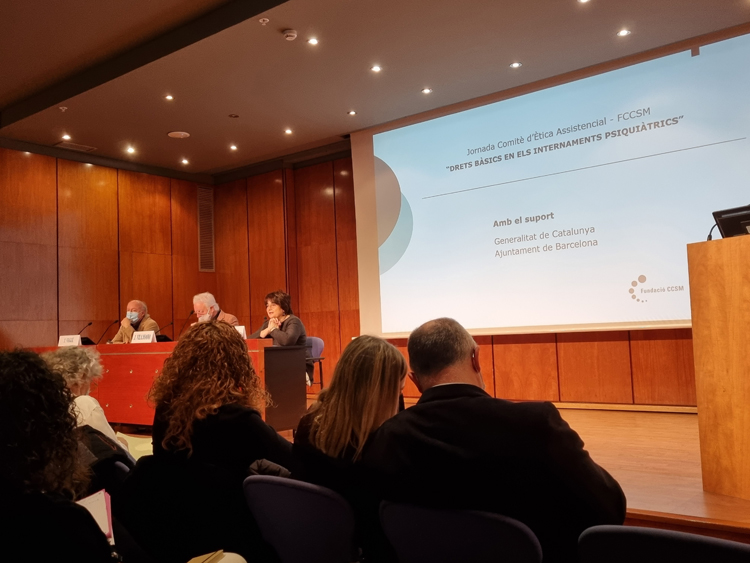
Barcelona, March 18, 2022.- More than 230 attendees participated in the conference “Basic rights in psychiatric admissions”held this Friday, March 18, at the College of Physicians of Barcelona, with the aim of discussing the current conditions of involuntarily admitted mental health patients. The event, organized by the Care Ethics Committee (CEA) of the Catalan Congress Foundation for Mental Health (FCCSM), was attended by the director of the National Pact for Mental Health and the director of the Master Plan for Mental Health and Addictions, representatives of the Parliament, and various government departments (social services, children, justice, and education, among others).
Among the attendees were representatives of “first-person” associations, of relatives of mental health users, and a broad representation of professionals from the public mental health care network (psychiatrists, psychologists, social educators, nurses, social workers...) and from other involved sectors (forensic experts, judges, etc.).
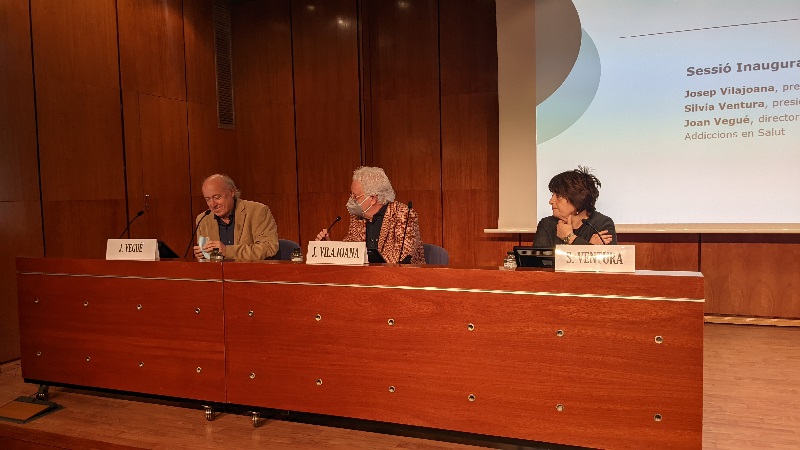
Joan Vegué, director of the Master Plan for Mental Health and Addictions, opened the conference with a commitment to incorporate the resolutions and proposals of the Care Ethics Committee into the documents still being drafted by the Master Plan for Mental Health and Addictions and its Advisory Council. He argued that the three fundamental pillars of mental health care, which will be incorporated into the new Master Plan, will be the rights and empowerment of patients and the ethical good practices of professionals.
The speakers at the conference outlined the weaknesses and shortcomings of the current system and called for the administration's involvement in implementing non-coercive practices.
The Ethics Committee has presented the document “Basic Rights for Patients in Emergency or Psychiatric Admission Situations” in the form of two presentations:
- Basic legal knowledge regarding involuntary psychiatric admissions
- Specific application considerations for the psychiatric admissions of minors
Speakers' statements
Fernando Santos, Fiscal at the Audience of Cordobaa
“Law 8/2021 has brought about an ethical revolution regarding the recognition of the legal capacity of people with disabilities, but many resistances from professionals are found regarding its application in the field of mental health.
Alberto Vásquez, former advisor to the United Nations Special Rapporteur on the rights of persons with disabilities
“Legislative changes have not generated changes in practice. Structural changes in services have. Joint and homogeneous coercive practices need to be developed.
Silvia Ventura, a lawyer specializing in Capacity and president of the Ethics Committee for Care at the Catalan Congress Foundation for Mental Health (FCCSM).
“Modifications must be made to the practice of professionals working in the field of mental health disability to adapt to the text of the United Nations Convention on the Rights of Persons with Disabilities (2006). This text will determine good professional practice. All types of restrictive measures such as mechanical restraint, isolation, forced treatments, among others, must be abolished.”
Montserrat Hierro, a legal expert on minors and a member of the Ethics Committee of the Catalan Congress of Mental Health Foundation (FCCSM).
“The minor's opinion should be included in their treatment. Suicide among minors is currently among the top five causes of death in most countries around the world. Most serious mental illnesses that can affect a person throughout their life begin in adolescence.
Magda Casamitjana, Director of the National Pact for Mental Health
“I commit to collecting the concerns of all stakeholders as well as the Committee's proposals.” He acknowledged the lack of financial and human resources for mental health care and the need for greater involvement of social services.
Magda Casamitjana has announced the commitment of the National Pact for Mental Health to join as a partner of the Quality Rights from the WHO concerning mental health.
To request interviews or more information: info@fccsm.net
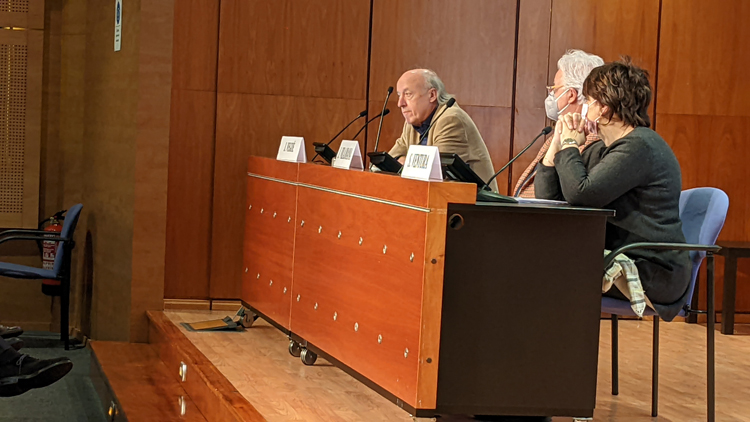
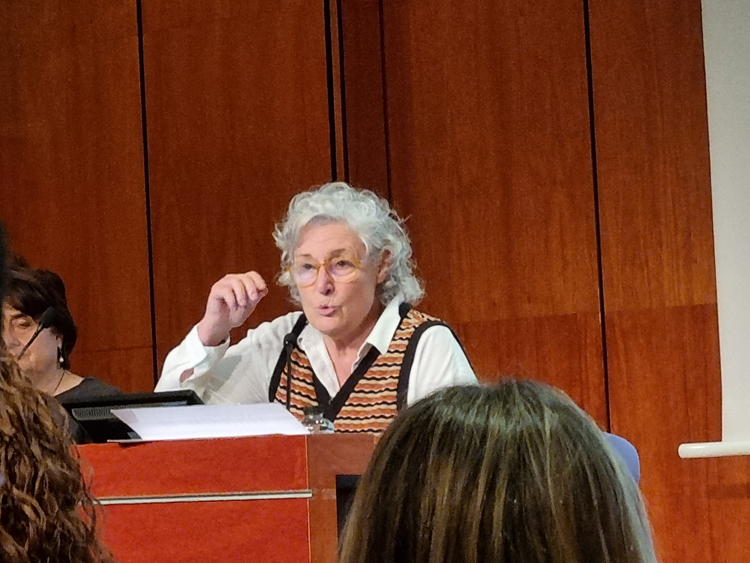
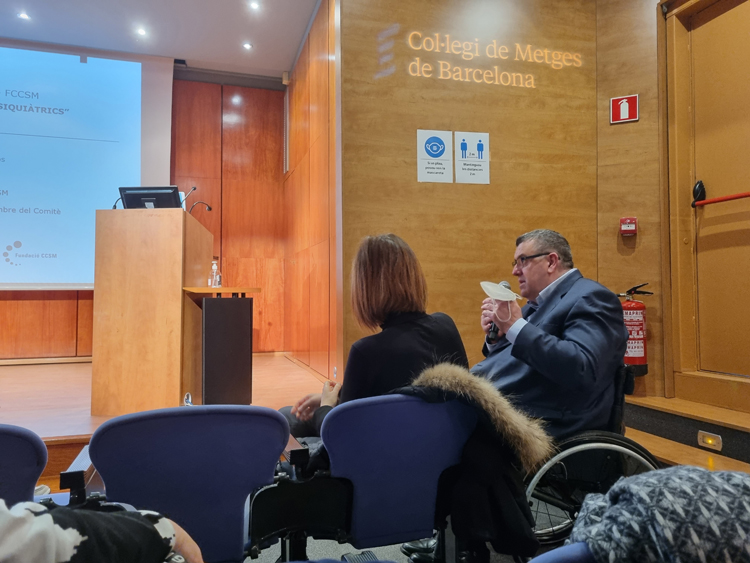
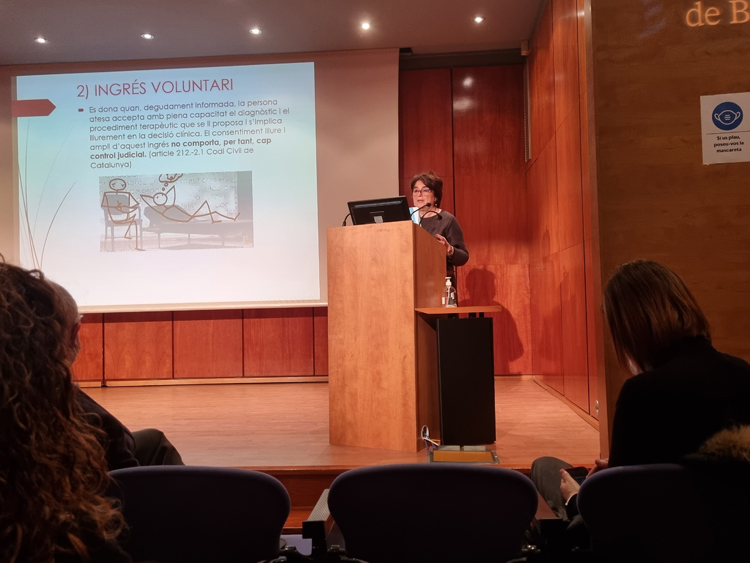
Image collection from the Conference