
In June 2017, CosmoCaixa hosted the 6th Catalan Congress of Mental Health under the title ‘Migration, Exile, and Refuge: Human Rights and Mental Health’.
The objective of the Congress was build proposals capable of reducing the risks arising from migration to improve coexistence and citizen cohesion, thereby increasing the population's health and well-being.
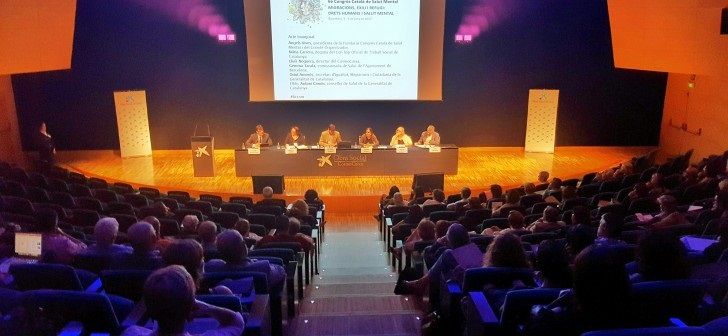
Des de fa uns anys els processos migratoris, la recerca de refugi davant les diverses adversitats i desemparaments (guerres, fam, persecucions polítiques, etc.) són motius de preocupació i posen al descobert un alt nombre de mancances. Aquestes situacions comporten una alta càrrega de patiment en els que la pateixen i en la societat que viu amb perplexitat i angoixa un moviment migratori de gran intensitat que fa que es replantegin molts dels valors socials. Això afecta a la salut i a la salut mental comunitària.
Tot i això, encara són pocs els estudis sobre l’impacte que té aquest fenomen social.
The interdisciplinary perspective accommodated a large number of individuals and groups with experiences and knowledge related to the dramatic situation we are experiencing in Europe with the refugee crisis. Faced with this reality, Congress tried to be another element of denunciation and mobilization to respond, in this case from The perspective of community mental health.

Images from the 6th Catalan Congress of Mental Health. #6ccsm
Àngels Vives, president of the Catalan Congress of Mental Health Foundation and the Organizing Committee, remarked that «it is we citizens and professionals who must think together about ways to provide care.».
Per la seva part, el conseller de Salut de la Generalitat de Catalunya, Antoni Comín, ...he claimed that “we will not be a mentally and spiritually healthy society until we treat each other en masse and ordinarily as brothers.”.
Mental health impact
Migratory processes involve a high burden of individual suffering at the same time, of’Misunderstanding and inadequate responses in communities that could provide shelter. The search for refuge in situations of’adversity and helplessness for various reasons – wars, famine, poverty, lack of freedoms... – reveal numerous fragilities, have a great impact on mental health, and highlight the need to act collectively, coordinated, and globally.
Mental illness can only be overcome and mental health promoted if the right conditions are created for individuals to live in a state of well-being and to develop and carry out a productive and fulfilling life plan.
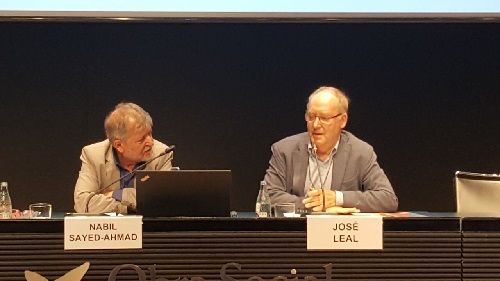
The inaugural conference ‘Polítiques migratòries i el seu impacte en el benestar de les persones. Crisi de valors?’ was in charge of Nabil Sayed-Ahmad Beirutí, psiquiatra d’origen sirià, qui He framed migration as something inherent to human nature and championed the “very many positive aspects” it brings: loss of fear of the other, opportunities, knowledge, learning... Sayed-Ahmad adopted Amin Maalouf's perspective when he advocated for talking about origins instead of roots: “people don't have roots, they have feet and they walk.” He did lament, however, that today's migrations, forced displacements that risk mental health, are the result of a certain globalization and economic reasons linked to the concentration of wealth.
6th Congress Material